Advanced Pharyngeal Cancer Treatment in Gurgaon for Early Diagnosis, Effective Tumor Control, Swallowing and Speech Preservation, Improved Breathing Function, and Comprehensive Care by Expert Head and Neck Cancer Specialists
Pharyngeal cancer is a life-threatening disease affecting the throat and can progress to the point where the patient is unable to swallow, breathe, or speak. Function preserving treatments are only possible if a cancer is diagnosed early and if specialist treatment is received after the diagnosis.
Dr. Vineet Kaul is a cancer surgeon with a lot of experience treating cancer of the nasopharynx, cancer of the oropharynx, and cancer of the hypopharynx. He combines his extensive experience with the use of modern surgery and minimally invasive techniques to achieve precise removal of the cancers and to preserve the overall quality of life of the patients after treatment.
The price for person suffering from pharyngeal cancer in Gurugram usually is from 3,00,000 rupees to 10,00,000 rupees.
Factors that affect price include:
Costs can be decreased through some simple and straightforward procedures, shorter stays in the hospital, and the use of single therapies. The best way to get an estimated price is to get an evaluation from an experienced doctor. This will allow for the doctor to come up with an individualized and better fit plan for the patient.

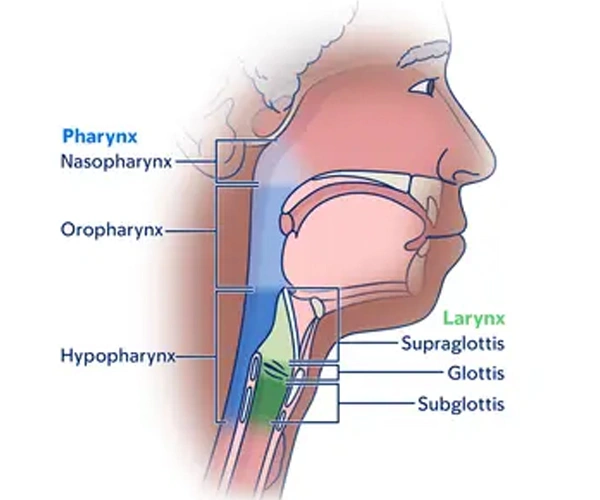
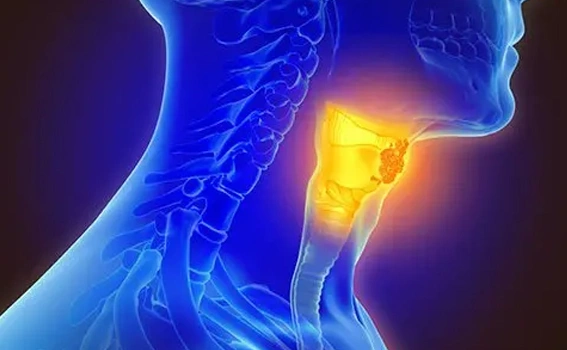
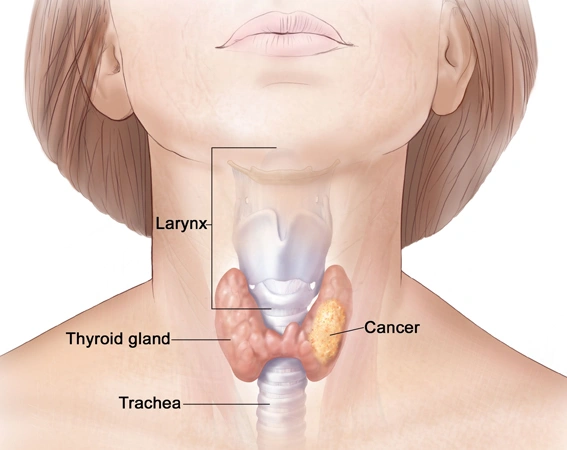
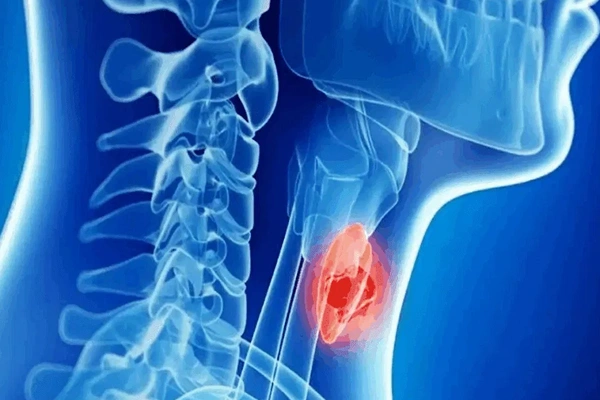
Pharyngeal cancer starts in the pharynx, the part of your throat that sits behind the mouth, and links your nose and mouth to the esophagus and larynx. It also is used in the functions of breathing and swallowing. It usually begins with abnormal cell growth in the lining of the throat and may not show symptoms.
As corollary to that, it is the case that if pharyngeal cancer is diagnosed and untreated, it is likely to meet other uterine tissues and lymph nodes that are adjacent to the afflicted area. This complicates your treatment. Finding it early can lead to treating it, and surviving with the ability to perform vital functions, like talking, swallowing, and breathing.
Pharyngeal cancer shows different characteristics through its various types, which include specific locations and associated symptoms and disease advancement. The correct identification process needs to take place for medical professionals to choose appropriate treatment methods.
Doctors use accurate classification to determine the best treatment method, which results in successful patient outcomes and faster recovery and maintenance of essential abilities like speech and swallowing.
The symptoms of this condition start with a mild presentation, which people tend to ignore or mistake for normal throat infections. The symptoms require medical evaluation when they continue beyond a duration of two to three weeks. The process of recognizing symptoms at an early stage enables doctors to diagnose patients and administer treatment, which leads to better patient outcomes and reduced health problems.
All of these significantly increase the risk of developing pharyngeal cancer. Long term exposure to tobacco and alcohol is the most common cause. Certain viral infections are also a major cause. A healthy lifestyle is a big factor in a person’s risk, as well as regular check-ups so that the disease can be detected early.
Diagnosis involves:
Accurately diagnosing is important because of cancer staging and the extent of cancer. Precise and early cancer diagnostics allow better treatment plans, increase chances of success and help preserve important functions like speech and swallowing.
The TNM Classification makes it possible to classify the cancer and how far it has spread to determine its advancement and decide on a possible plan of action. Treatment of cancers at the initial stages is far less difficult and has a higher survival rate. In the advanced stages, they may need to undergo multiple therapies combined. Staging cancer appropriately will allow patients to receive the most individualized and effective treatment for improved recovery.
The cancer's stage, position and the patient's overall condition will dictate treatments. Advanced cases may require the use of multiple therapy types. The aim is to remove the cancer and preserve important functions to avoid complications and improve recovery.
We aim to protect:
Dr. Vineet Kaul employs techniques that aim to preserve organs in order to help patients sustain a good quality of life after treatment. Innovative surgical methods paired with health rehabilitation allow patients to restore critical functions. This means that we strive to make sure that treating a patient's cancer is only part of a process that ensures patients come back to their normal selves in every way.
How and the length of time a patient recovers depend on the type of treatment, along with the stage of cancer. Because of the variety of symptoms that can occur, a recovery plan is crucial and its goal should be focused on restoring function and improving the patient’s health. Follow-up appointments are necessary in order to identify any recurring symptoms and ensure the patient keeps a good quality of life.
How far along the cancer is when you start receiving treatment makes a big difference in the outcome. With early-stage cancer, you can get a lot less aggressive treatment. For advanced-stage cancer, you get way more complex treatments and get multiple types of therapies. With early detection, appropriate treatment, and good therapy, people can get back to doing all their normal activities.
For successful treatment and recovery, choosing the correct specialist is vital. Your advanced skills and a focus on the patient will save the most critical functions and improve quality of life, as well as provide the most effective treatment.