+91 85278 66560 dr.vineetkaul@yahoo.in
Home / Throat Cancer Treatment in Gurgaon

Throat Cancer Treatment in Gurgaon

Advanced Throat Cancer Treatment in Gurgaon for Early Diagnosis, Effective Tumor Management, Voice Preservation, Improved Swallowing Function, and Comprehensive Care by Experienced Head and Neck Cancer Specialists

Best Throat Cancer Surgeon in Gurgaon – Dr. Vineet Kaul

Throat cancer can include cancer of the larynx (voice box) and pharynx (throat). Throat cancer impacts speaking, swallowing, and breathing. Body functions can be preserved, and the chances of survival can be increased through early detection and expert surgical care.

One of the best throat cancer surgeons in Gurgaon, Dr. Vineet Kaul, also specializes in the most advanced throat cancer surgery (laryngopharyngeal surgery) and uses robotic and other minimally invasive surgery techniques to achieve the best results.

Book Your First Consultation

Throat Cancer Treatment Cost in Gurgaon

Throat Cancer Treatment Cost in Gurgaon

In Gurgaon, throat cancer treatments may range due to the following:

  • Type of cancer (laryngeal or pharyngeal)
  • Stage of the cancer during diagnosis
  • Type of surgery and/or therapy needed
  • Whether reconstructive surgery or ICU is needed
  • Extra sessions of chemo or radiation therapy

On a basic note, treatments generally cost anywhere between ₹3,00,000 to ₹10,00,000+. This varies depending on the complexities involved.
What is Throat Cancer?

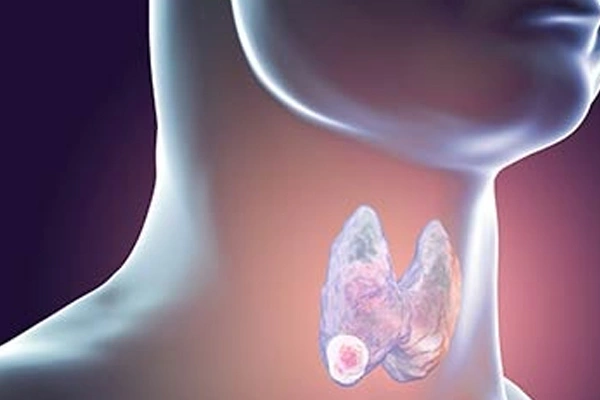
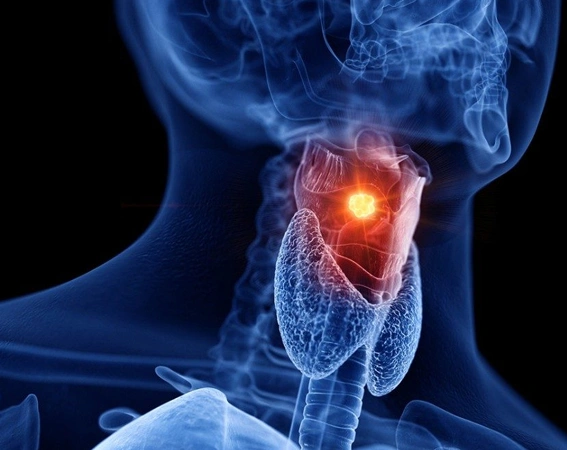
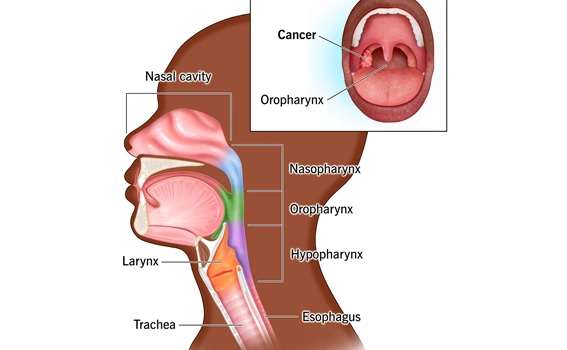
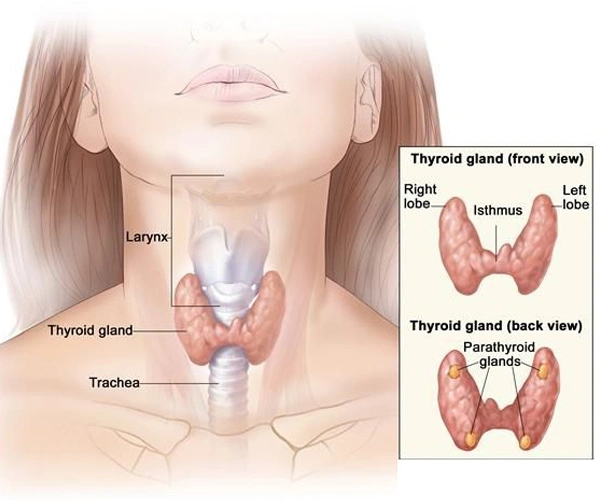
Throat cancer is when a tumor starts growing in your pharynx or larynx. It's extremely painful and makes it hard to do basic things like talk, breathe, or swallow, making the whole thing a lot worse.

Some of the early warning signs of throat cancer include a constant sore throat, a lot of pain when you try to swallow, and a change in your voice. You may also lump in your throat or a swollen neck. If the throat cancer is not dealt with quickly, it will spread to the surrounding tissue and lymph nodes. This will make your cancer a lot more difficult to treat.

What is Throat Cancer
Types of Throat Cancer

Types of Throat Cancer

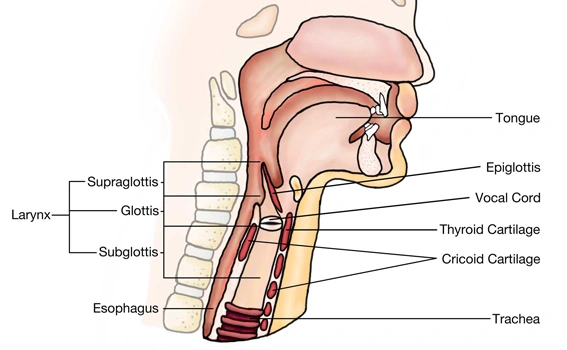
  • Laryngeal Cancer
  • It affects the larynx (voice box) and can impact speech, breathing and the quality of voice. Can cause hoarseness, trouble speaking and if not treated, can lead to airway obstruction.
  • Pharyngeal Cancer

    Affects the throat and is divided into:

  • Nasopharynx (upper throat): is located behind the nose and includes the ear; it can affect breathing as well as ear function
  • Oropharynx (middle throat): contains the tonsils and the base of the tongue; it can affect the ability to swallow and speak
  • Hypopharynx (lower throat): is located just above the esophagus, and it can affect the ability of swallowing and the passage of food

Symptoms of Throat Cancer

  • Persistent Sore Throat: Discomfort in the throat not relieved by medication
  • Hoarseness or Change in Voice: Change in voice for a period of time of weeks
  • Difficulty Swallowing: Pain while eating or drinking
  • Lump in Neck: A recognizable lump due to swollen lymph nodes
  • Ear Pain: Pain without an infection in the ear
  • Unexplained Weight Loss: Sudden weight loss without any clear reason
  • Difficulty Breathing: Seen in advanced stages of the disease when the airway is involved

👉 Symptoms lasting for over 2-3 weeks need to be properly medically evaluated and diagnosed.

Symptoms of Throat Cancer
Causes & Risk Factors of Throat Cancer

Causes & Risk Factors of Throat Cancer

  • Tobacco products, whether smoking or chewing, greatly increase the risk of developing cancer.
  • Drinking alcohol regularly can lead to cancer in the throat.
  • Infection from the HPV virus can also lead to throat cancer.
  • Bad nutrition can lead to a deficiency in immunity, and can lead to throat cancer.
  • Chemical pollution can lead to internal and external cancers.
  • Family history or prior records can also be considered a factor.

All of these together can lead to developing throat cancer.

Throat Cancer Diagnosis

Diagnosis includes:

  • Endoscopy: A tube helps look at the throat and voice box
  • Biopsy: A small tissue sample is taken to see if there are cancer cells
  • CT scan / MRI: helps see the size and where the tumor is and if the tumor has spread to other parts
  • PET scan: see if there is cancer in other parts of the body
  • Voice and swallowing assessment: is a functional test of the impact on speech and swallowing

All of these diagnostics are an opportunity to plan treatment promptly and help in the treatment to a greater extent.

Throat Cancer Diagnosis
Throat Cancer Staging (TNM System)

Throat Cancer Staging (TNM System)

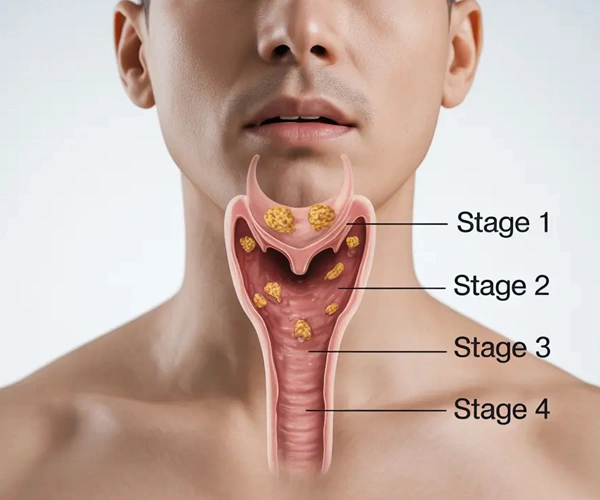
Throat cancer staging helps determine the severity and spread of the disease, guiding the treatment plan. The TNM system is commonly used:

  • T (Tumor): Indicates the size and extent of the primary tumor
  • N (Nodes): Shows whether cancer has spread to nearby lymph nodes
  • M (Metastasis): Identifies if cancer has spread to distant organs

Accurate staging is essential for selecting the most effective treatment approach. Early-stage cancers generally have better treatment outcomes, higher survival rates, and improved preservation of speech and swallowing functions.

Treatment Options for Throat Cancer

  • Surgery: Removal of the tumor while preserving vital functions like speech and swallowing whenever possible
  • Robotic Surgery (TORS): Minimally invasive approach used for selected throat cancers with faster recovery
  • Laser Surgery: Precise removal of early-stage tumors with minimal damage to surrounding tissues
  • Radiation Therapy: Used as a primary treatment or after surgery to destroy cancer cells
  • Chemotherapy: Recommended in advanced stages or combined with other treatments
  • Targeted & Immunotherapy: Advanced options used in selected cases to improve treatment outcomes

The choice of treatment depends on cancer stage, location, and overall patient health.

Treatment Options for Throat Cancer
Function Preservation in Throat Cancer Treatment

Function Preservation in Throat Cancer Treatment

A key goal of throat cancer treatment is not just removing the tumor but also preserving essential functions that impact daily life and overall well-being.

Modern treatment approaches focus on maintaining quality of life while ensuring effective cancer control. Key functions that doctors aim to preserve include:

  • Voice quality: Maintaining the ability to speak clearly and naturally
  • Swallowing ability: Ensuring safe and comfortable eating and drinking
  • Breathing function: Keeping the airway clear for normal breathing

Dr. Vineet Kaul focuses on organ-preserving surgery and advanced techniques to maintain these functions effectively.

Recovery Timeline for Throat Cancer

  • Pre-Treatment: Detailed evaluation, staging, and treatment planning based on cancer type and patient condition
  • Surgery / Therapy Phase: Tumor removal through surgery or treatment with radiation and chemotherapy, along with close monitoring
  • Early Recovery: Initial healing phase with symptom management, pain control, and gradual return to normal functions
  • Rehabilitation: Speech therapy and swallowing exercises to restore voice and eating ability
  • Long-Term Follow-Up: Regular check-ups to monitor recovery, detect recurrence early, and maintain overall health

Recovery varies based on treatment type, stage, and individual response.

Recovery Timeline for Throat Cancer
Outcomes & Survival in Throat Cancer

Outcomes & Survival in Throat Cancer

  • Early stage: High survival rates ranging from 70–90% with timely and appropriate treatment
  • Advanced stage: Requires combined treatment such as surgery, radiation, and chemotherapy for better control
  • Early diagnosis benefits: Detecting cancer early significantly improves survival rates and treatment success
  • Functional outcomes: Early treatment helps preserve voice, swallowing, and breathing functions
  • Overall prognosis: Depends on cancer stage, location, treatment response, and patient health
  • Timely diagnosis and proper treatment planning play a crucial role in improving both survival and quality of life.

Why Choose Dr. Vineet Kaul for Throat Cancer Treatment in Gurgaon?

Choosing the right specialist is important for effective treatment and better recovery outcomes. Dr. Vineet Kaul is known for his expertise in managing complex throat cancer cases with a focus on both cure and quality of life.

  • Leading throat cancer surgeon in Gurgaon: Extensive experience in advanced head and neck cancer surgeries
  • Expertise in laryngeal and pharyngeal cancers: Specialized treatment for different throat cancer types
  • Advanced robotic and laser surgery: Precision techniques for better outcomes and faster recovery
  • Focus on function preservation: Maintains voice and swallowing ability
  • High success rate: Proven results with effective treatment approaches
  • Personalized treatment approach: Tailored care based on individual patient needs

His comprehensive care ensures safe treatment with improved recovery and long-term outcomes.

Book Your First Consultation

FAQs – Throat Cancer Treatment

It is cancer affecting the voice box (larynx) or throat (pharynx).

Yes, especially when detected early.

Persistent sore throat, voice change, and difficulty swallowing.

A minimally invasive technique that improves precision and recovery.

It ranges from ₹3 lakh to ₹10 lakh depending on the stage.